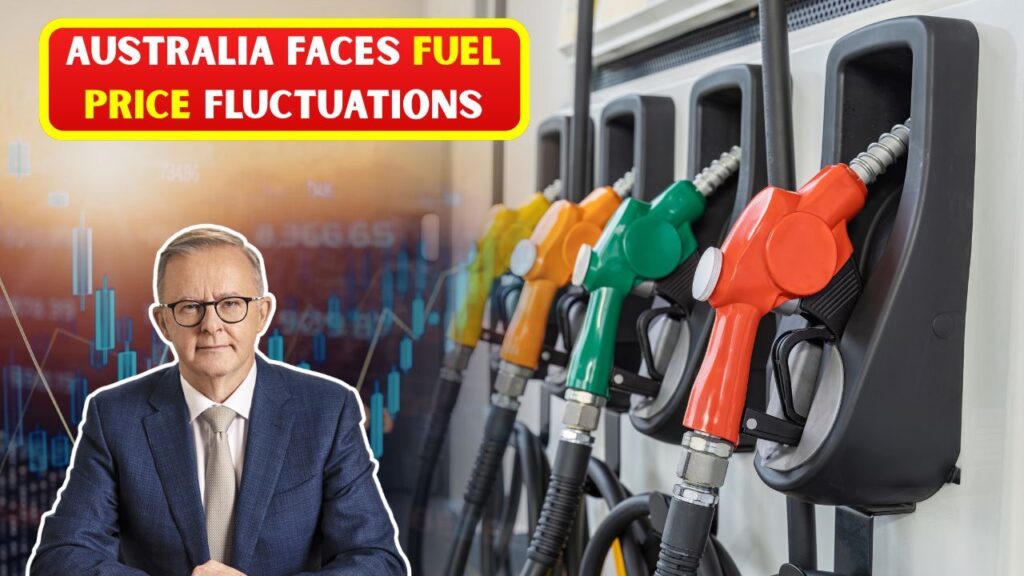
Fuel prices across Australia in 2026 have become a central financial concern for households and businesses alike. With petrol costs moving unpredictably due to global oil market uncertainty, transportation expenses are now a key factor in personal budgeting and operational planning. From daily commuters in major cities to long-distance drivers in regional areas, fluctuating fuel rates are reshaping spending habits and travel decisions.
Understanding the underlying causes of petrol price volatility is essential for navigating today’s economic environment. Global supply trends, currency fluctuations, and domestic taxation policies all play a role in determining what consumers ultimately pay at the pump. As uncertainty continues, staying informed about fuel price trends can help individuals and businesses make smarter financial choices.
Key Drivers Behind Fuel Price Changes in 2026

Fuel prices are influenced by a combination of global and domestic factors. These forces interact constantly, creating fluctuations that can shift weekly or even daily.
Global Crude Oil Market Movements
One of the primary drivers of petrol prices is the global crude oil market. When international oil prices rise, fuel import costs increase, leading to higher retail petrol prices across Australia.
Global demand patterns, geopolitical tensions, and production adjustments by major oil-producing regions directly affect supply availability. Even small disruptions in global supply chains can create noticeable price spikes at local service stations.

Because Australia imports a significant portion of its refined fuel, international market conditions remain a major influence on domestic pricing.
Currency Exchange Rate Fluctuations
Exchange rate movements play a significant role in determining the cost of imported fuel. When the national currency weakens against major global currencies, fuel imports become more expensive.
This additional cost is typically passed along to consumers through higher petrol prices. Conversely, a stronger currency may help stabilize or slightly reduce fuel costs.

Currency fluctuations add another layer of unpredictability, making fuel pricing difficult to forecast with complete accuracy.
Government Policies and Fuel Taxes
Domestic taxation policies also contribute to the final price of petrol. Fuel excise rates, environmental policies, and regulatory adjustments can all influence pricing structures.
While taxes fund infrastructure and transportation systems, they also represent a consistent component of retail fuel prices.
Changes in government policy—particularly those related to emissions or sustainability—can reshape long-term fuel pricing strategies.
How Rising Petrol Costs Are Affecting Daily Life
Fuel price volatility has far-reaching consequences for both individuals and businesses. Transportation costs influence nearly every aspect of daily life.
Impact on Household Budgets
For many households, fuel is a fixed monthly expense that directly affects financial stability. Rising petrol costs increase the cost of commuting, school travel, and essential errands.
Families are becoming more strategic in managing transportation expenses. Some households are combining trips, reducing unnecessary travel, and monitoring fuel price cycles to purchase fuel during lower-cost periods.
These small behavioral adjustments can create meaningful savings over time.
Changes in Commuting Patterns
Urban commuters are increasingly exploring alternative transportation methods to offset fuel expenses. Carpooling, ride-sharing, and public transit usage have become more attractive as petrol prices climb.
Flexible work arrangements, including remote or hybrid schedules, are also reducing the frequency of daily travel for many professionals.
These evolving commuting habits demonstrate how fuel prices can shape broader lifestyle trends.
Increased Costs for Businesses
Businesses that rely on transportation—especially logistics, delivery services, and construction—are facing higher operational expenses.
Fuel price increases can raise shipping costs, which may lead to higher product prices for consumers. Companies must carefully manage transportation efficiency to maintain profitability.
Some businesses are optimizing delivery routes, investing in fuel-efficient vehicles, or adjusting service pricing models to adapt to changing conditions.
Regional Differences in Fuel Costs
Fuel pricing does not remain uniform across Australia. Regional factors often create noticeable differences between urban and rural areas.
Urban Fuel Pricing Patterns
Major metropolitan areas often experience more frequent price fluctuations due to competition among fuel retailers. Price cycles may vary by day or week, providing opportunities for cost-conscious consumers to plan purchases strategically.
Access to multiple fuel stations can create competitive pricing conditions in urban locations.
Consumers who track price patterns often benefit from improved fuel budgeting outcomes.
Challenges in Rural and Remote Areas
In regional and remote communities, fuel prices are typically higher due to transportation costs and limited competition among suppliers.
Longer travel distances amplify the financial burden on rural households, making fuel efficiency especially important.
Businesses operating in remote regions must also account for higher transport expenses, which may influence service availability and product pricing.
Regional pricing differences highlight the importance of tailored budgeting strategies.
Fuel Price Forecast for Australia in 2026
Predicting fuel prices remains complex due to the number of variables involved. However, several trends provide insight into potential future developments.
Continued Volatility Expected
Market analysts anticipate ongoing price fluctuations throughout 2026. Global demand recovery, geopolitical developments, and supply chain stability will remain key drivers.
Short-term price spikes may continue during periods of market disruption, while temporary stabilization may occur when supply conditions improve.
Consumers should expect periodic price adjustments rather than long-term stability.
Gradual Shift Toward Energy Efficiency
Rising fuel costs are accelerating interest in fuel-efficient vehicles and alternative energy technologies.
Hybrid and electric vehicle adoption continues to grow as consumers seek long-term cost savings and reduced dependence on petrol.
Government incentives and infrastructure development may further support the transition toward sustainable transport options.
Over time, these changes could reduce overall fuel demand.
Practical Strategies to Manage Rising Fuel Costs
While market forces cannot be controlled by individual consumers, proactive strategies can help reduce fuel-related expenses.
Adopt Fuel-Efficient Driving Habits
Driving behavior plays a significant role in fuel consumption. Maintaining steady speeds, reducing unnecessary acceleration, and ensuring proper tire pressure can improve fuel efficiency.
Regular vehicle maintenance also helps optimize performance and minimize fuel waste.
Small efficiency improvements often produce measurable financial benefits over time.
Plan Travel More Strategically
Combining multiple errands into a single trip reduces total driving distance. Route planning tools can help identify the most efficient paths and minimize fuel usage.
Avoiding peak traffic hours can also improve fuel efficiency by reducing idle time.
Strategic travel planning supports both financial savings and environmental sustainability.
Consider Alternative Transportation Options
Public transportation, cycling, and shared mobility services offer viable alternatives for many commuters.
These options reduce dependence on petrol and provide flexibility in managing transportation costs.
Employers offering remote work opportunities can further support fuel savings by reducing commuting frequency.
Alternative mobility solutions continue to gain popularity as fuel costs fluctuate.
Long-Term Implications for Australia’s Energy Landscape
Fuel price fluctuations are influencing broader shifts in energy consumption and transportation planning.
Growth in Sustainable Energy Investments
Rising petrol costs are encouraging increased investment in renewable energy infrastructure and alternative fuel technologies.
Electric vehicle charging networks and renewable energy initiatives are expanding rapidly, supporting long-term sustainability goals.
These developments contribute to a gradual transformation of the national energy landscape.
Encouraging Innovation in Transportation
Businesses and manufacturers are investing in advanced vehicle technologies designed to improve fuel efficiency and reduce emissions.
Innovations such as lightweight vehicle materials and hybrid systems are becoming more widely available.
These advancements help balance cost efficiency with environmental responsibility.
Innovation continues to shape the future of transportation.
Navigating Fuel Price Uncertainty in 2026
Fuel prices in Australia during 2026 reflect a complex mix of global economic forces and domestic policy influences. For consumers and businesses, adapting to these changes requires awareness, flexibility, and proactive planning.
Monitoring price trends, improving fuel efficiency, and exploring alternative transportation options can help reduce the financial impact of rising petrol costs. While market uncertainty may continue in the near term, strategic decision-making allows individuals to maintain control over their transportation budgets.
As energy markets evolve and sustainability initiatives expand, fuel price volatility may gradually give way to more diversified transportation solutions. Until then, staying informed and prepared remains the most effective way to navigate the changing fuel price landscape.