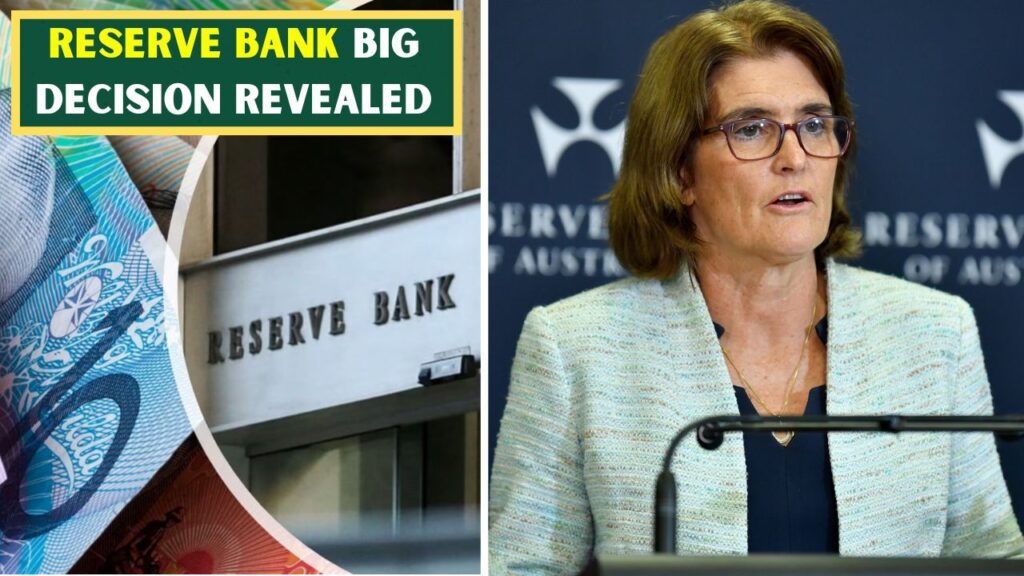
Australia’s financial landscape in 2026 is defined by a delicate balance between controlling inflation and sustaining economic growth. As living costs remain elevated and global markets continue to shift, interest rate decisions have become one of the most closely watched developments among homeowners, investors, and business leaders.
At the center of these decisions is the Reserve Bank’s ongoing strategy to maintain price stability while protecting employment and long-term economic resilience. With inflation pressures lingering across essential sectors, the direction of interest rates in 2026 is expected to shape borrowing costs, investment behavior, and overall consumer confidence.
Understanding the Role of Interest Rates in Economic Stability

Interest rates are one of the most powerful tools used by central banks to manage economic activity. By adjusting borrowing costs, policymakers influence spending patterns, saving habits, and business investments.
Why Interest Rates Matter for Households
When interest rates rise, borrowing becomes more expensive. Mortgage repayments increase, personal loans cost more, and credit card interest rates climb. For households with variable-rate loans, even a small adjustment can significantly affect monthly expenses.
On the other hand, higher interest rates often benefit savers. Term deposits and savings accounts typically offer better returns during periods of tighter monetary policy. This shift encourages saving over spending, helping reduce inflationary pressure across the economy.
The Balance Between Growth and Inflation

Maintaining economic balance requires careful timing. If interest rates are increased too quickly, economic growth may slow, affecting employment and investment. If rates remain too low for too long, inflation may rise beyond sustainable levels.
In 2026, policymakers are navigating this balance carefully, aiming to slow price growth without triggering financial instability.
Inflation Trends Driving Policy Decisions in 2026
Inflation continues to be one of the dominant factors shaping monetary policy. Rising costs across housing, transportation, and essential services have kept inflation levels above preferred targets.
Persistent Price Pressures Across Key Sectors

Several sectors have contributed to sustained inflation. Housing costs remain elevated due to limited supply and strong demand. Energy prices have fluctuated due to global supply dynamics, while food costs have risen due to production and transportation challenges.
These combined pressures create a cycle where households reduce discretionary spending but continue to face higher costs for essential goods.
Consumer Demand and Spending Patterns
Strong consumer demand following earlier economic recovery periods has also contributed to price increases. As wages gradually rise, spending levels remain steady, sustaining demand for goods and services.
Interest rate adjustments are often used to moderate demand. By making borrowing more expensive, policymakers aim to slow spending just enough to stabilize prices without causing widespread financial hardship.
Key Economic Indicators Influencing Rate Decisions
Interest rate decisions are never based on a single factor. Instead, policymakers evaluate multiple economic indicators to assess the health of the economy and determine the most appropriate course of action.
Employment and Wage Growth
Employment levels remain a strong indicator of economic health. Low unemployment rates generally signal stable economic conditions, but rising wages can also contribute to inflation if productivity does not increase at the same pace.
In 2026, wage growth remains closely monitored. While higher wages support household income, they also have the potential to fuel inflation if not balanced with productivity gains.
Housing Market Trends
The housing market plays a significant role in shaping interest rate policy. Higher interest rates can reduce housing demand, slowing property price growth and stabilizing the market.
However, sharp rate increases may place pressure on mortgage holders and first-time buyers. Policymakers must weigh the risk of housing market slowdown against the need to control inflation.
Changes in borrowing conditions also influence construction activity, rental availability, and long-term housing affordability.
Global Economic Conditions
Australia’s economy remains closely connected to international markets. Changes in global trade patterns, currency fluctuations, and geopolitical developments can all influence domestic economic stability.
For example, shifts in commodity demand or international interest rate trends may impact investment flows and currency values. These external factors play a significant role in shaping domestic policy decisions.
Possible Interest Rate Scenarios for the Remainder of 2026
Financial markets and analysts are considering several possible scenarios for interest rates as the year progresses. Each outcome carries different implications for households and businesses.
Scenario One: Gradual Rate Increases
If inflation remains elevated, policymakers may continue with gradual rate increases. This approach allows households and businesses time to adjust while steadily reducing inflation pressure.
Gradual increases help prevent sudden shocks to the economy while maintaining a clear path toward long-term price stability.
For borrowers, this scenario means preparing for slightly higher repayment costs over time rather than facing abrupt financial changes.
Scenario Two: Rate Stability Period
Another possibility involves holding interest rates steady while monitoring inflation trends. This strategy allows policymakers to evaluate the impact of earlier rate increases before making additional adjustments.
Rate stability provides temporary relief for borrowers and businesses planning long-term investments. It also offers policymakers more time to analyze emerging economic data.
Scenario Three: Potential Rate Reductions
If inflation begins to decline more rapidly than expected, policymakers may consider reducing interest rates later in the year. Lower rates encourage spending and investment, supporting economic growth.
However, rate reductions are typically approached cautiously to avoid reigniting inflationary pressure.
Impact on Borrowers, Investors, and Businesses
Interest rate decisions affect nearly every aspect of financial life. From mortgage repayments to investment returns, changes in borrowing costs influence both short-term planning and long-term financial strategies.
Mortgage Holders and Property Investors
Mortgage holders are among the most directly affected by interest rate changes. Rising rates increase monthly repayments, particularly for households with variable-rate loans.
Property investors also experience shifts in rental yields and financing costs. Higher borrowing expenses may reduce profit margins but could also stabilize property prices by reducing speculative demand.
Long-term planning becomes essential during periods of rate uncertainty, especially for households managing large loans.
Business Investment and Expansion
Businesses depend on affordable financing to support expansion, technology upgrades, and workforce development. Higher interest rates can slow investment decisions as borrowing costs rise.
However, stable inflation improves long-term business confidence, making controlled rate adjustments beneficial for sustainable growth.
Companies with strong financial management strategies are better positioned to navigate fluctuating borrowing costs.
Savers and Financial Investors
Higher interest rates typically create favorable conditions for savers. Returns on fixed-income investments and deposit accounts tend to improve, providing more predictable income streams.
For investors, rising rates may shift portfolio strategies toward more conservative assets. Diversification remains essential to manage risk in uncertain market environments.
Long-Term Economic Outlook Beyond 2026
While short-term interest rate movements receive significant attention, long-term economic planning remains equally important. Sustainable growth depends on balanced policies that support productivity, innovation, and infrastructure development.
Building Economic Resilience
Investments in renewable energy, digital infrastructure, and advanced industries are expected to strengthen long-term economic stability. These sectors create employment opportunities while reducing dependency on volatile markets.
Improved productivity also supports wage growth without triggering excessive inflation, creating a more balanced economic environment.
Strengthening Consumer Confidence
Confidence plays a vital role in economic performance. When households feel financially secure, spending becomes more predictable, supporting business growth and investment.
Transparent communication about interest rate strategies helps maintain trust in financial systems. Clear policy direction enables households and businesses to plan effectively for future financial commitments.
What to Expect in the Months Ahead
The direction of interest rates in 2026 will continue to shape Australia’s economic landscape. With inflation pressures still present, policymakers are expected to remain cautious, carefully evaluating new data before making significant adjustments.
For households and businesses alike, staying informed about interest rate trends is essential. Financial planning strategies that prioritize flexibility and risk management will be increasingly valuable in an environment where borrowing costs may shift.
As economic conditions evolve, interest rate decisions will remain one of the most influential forces guiding financial stability, investment growth, and long-term prosperity across Australia.